
What is Hypothyroidism?
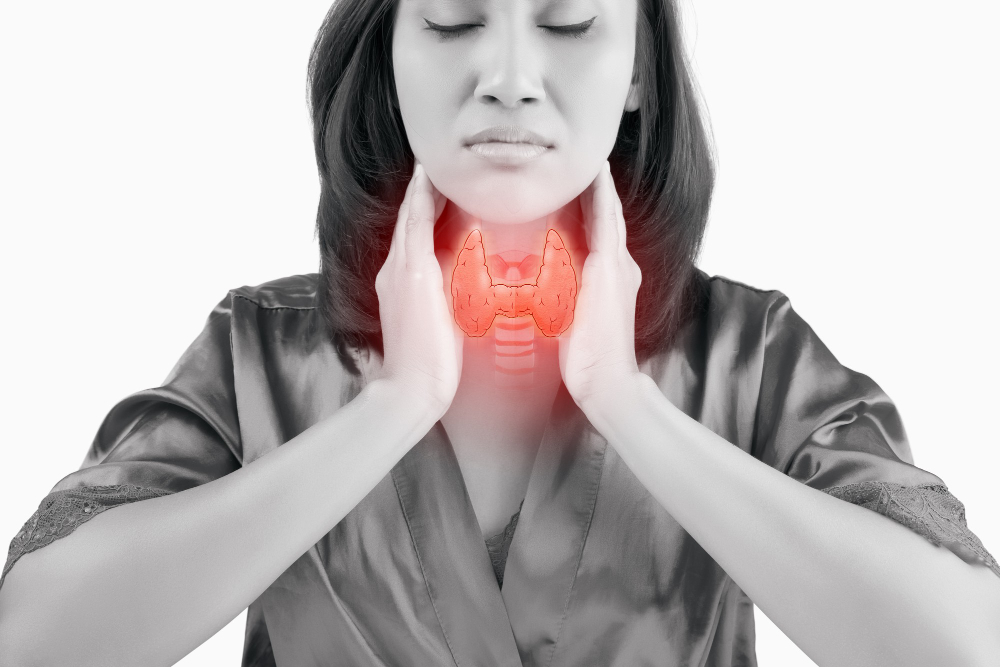
Hypothyroidism, also called an underactive thyroid, happens when your thyroid gland does not make enough hormones. The thyroid is a small, butterfly-shaped gland in your neck. It controls how your body uses energy. Because of this, low thyroid hormone levels can slow down many body functions. This condition is also known as thyroid hormone deficiency. According to the World Health Organization, hypothyroidism is common, especially in women and older adults. Early signs of hypothyroidism can be mild and easy to miss. However, knowing about thyroid health helps you spot problems early.
Common Symptoms of Hypothyroidism
Many people with hypothyroidism notice changes in how they feel. Sometimes, symptoms appear slowly. For example, you may feel tired or cold more often. Other times, you may see changes in your skin or hair. Below are some common signs of hypothyroidism:
However, not everyone has all these symptoms. If you notice any of these signs, it is wise to talk to your doctor.
Causes and Risk Factors
There are several reasons why someone may develop hypothyroidism. Most often, the immune system attacks the thyroid gland. This is called Hashimoto’s disease. In addition, other causes include:
Some people are more likely to get hypothyroidism. For example, women, people over 60, and those with other autoimmune diseases have a higher risk. Because of this, knowing your risk factors can help you stay alert to thyroid symptoms.
How Hypothyroidism is Diagnosed
Doctors use simple blood tests to check for hypothyroidism. First, they measure your thyroid-stimulating hormone (TSH) level. High TSH means your thyroid is not making enough hormone. Next, they may check your T4 hormone level. Sometimes, doctors also test for thyroid antibodies. These tests help find the cause of your thyroid hormone deficiency. If you have symptoms or a family history, your doctor may suggest regular thyroid checks. Early diagnosis helps you manage hypothyroidism better.
Treatment Options for Hypothyroidism
Treating hypothyroidism is usually simple and safe. Most people take a daily pill called levothyroxine. This medicine replaces the missing thyroid hormone. Because your needs may change, doctors adjust the dose based on blood tests. With the right treatment, most people feel better within weeks. However, you may need to take medicine for life. Regular check-ups help keep your thyroid levels in a healthy range. If you have questions about your treatment, always ask your healthcare provider.
Lifestyle Tips and Daily Management
Besides medicine, healthy habits support thyroid health. For example, eating a balanced diet helps your body work well. Here are some tips for managing hypothyroidism:
However, avoid taking your thyroid medicine with calcium or iron supplements, as these can affect absorption. Always follow your doctor’s advice for the best results.
Prevention and Early Detection
While not all cases of hypothyroidism can be prevented, some steps may lower your risk. For example, eating enough iodine helps prevent thyroid problems in areas where iodine is low. In addition, regular health check-ups can catch thyroid issues early. If you have a family history or other risk factors, tell your doctor. Early detection means you can start treatment sooner and avoid complications. Because symptoms can be mild, staying aware of thyroid symptoms is important for your health.
In summary, hypothyroidism is a common but manageable condition. With the right care, most people lead healthy lives. If you notice signs of hypothyroidism or have concerns about your thyroid health, consult a healthcare professional at SugarDoctor Medicare for personalized advice on hypothyroidism.