
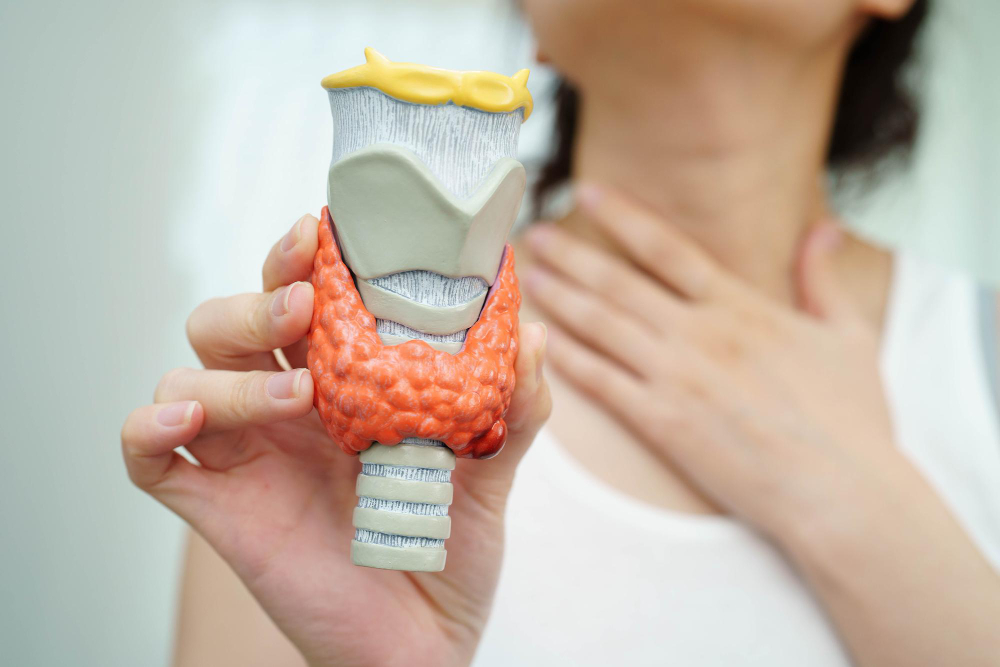
What Is Hyperthyroidism?
Hyperthyroidism happens when your thyroid gland makes too much thyroid hormone. This small gland sits at the front of your neck. It controls how your body uses energy. When your thyroid is overactive, your body works faster than normal. As a result, you may feel restless, lose weight, or have a fast heartbeat. Hyperthyroidism can affect anyone, but it is more common in women. According to the American Thyroid Association, about 1 in 100 people in the United States have hyperthyroidism. Early diagnosis and treatment can help you feel better and avoid problems.
Common Symptoms of Hyperthyroidism
Because hyperthyroidism speeds up your body, you may notice several changes. Some symptoms are easy to spot, while others are subtle. For example, you might feel anxious or have trouble sleeping. Below are common signs:
However, not everyone has all these symptoms. If you notice any of these changes, talk to your doctor.
Causes and Risk Factors
Several things can cause hyperthyroidism. The most common cause is Graves’ disease. This is an autoimmune condition where your body attacks the thyroid, making it work too hard. Other causes include thyroid nodules, which are small lumps in the gland, and thyroiditis, or swelling of the thyroid. Sometimes, taking too much thyroid hormone medicine can also lead to hyperthyroidism.
There are some risk factors to consider:
Knowing your risk can help you watch for early signs.
How Hyperthyroidism Is Diagnosed
If you have symptoms, your doctor will ask about your health and family history. Next, they will do a physical exam. Often, they will check your neck for swelling or lumps. Blood tests are key for diagnosis. These tests measure thyroid hormone levels in your blood. If your levels are high, you may have hyperthyroidism. Sometimes, your doctor may order a thyroid scan or ultrasound. These tests show how your thyroid looks and works. Early diagnosis helps you get the right treatment quickly.
Treatment Options for Hyperthyroidism
Treatment depends on your age, health, and the cause of hyperthyroidism. Your doctor will help you choose the best plan. Common treatments include:
Each treatment has benefits and risks. Therefore, it is important to discuss your options with your healthcare provider.
Lifestyle Tips and Daily Management
Along with medical treatment, healthy habits can help you manage hyperthyroidism. For instance, eating a balanced diet supports your overall health. Try to avoid foods high in iodine, unless your doctor says otherwise. Getting enough rest is also important. Stress can make symptoms worse, so practice relaxation techniques like deep breathing or gentle exercise. Moreover, regular check-ups help your doctor track your progress and adjust your treatment if needed.
Preventing Complications
Untreated hyperthyroidism can lead to serious health problems. For example, it can cause heart issues, weak bones, or a dangerous condition called thyroid storm. However, with proper care, most people avoid these problems. Always take your medicine as directed. If you notice new or worsening symptoms, contact your doctor right away. Regular blood tests help catch changes early. In summary, staying informed and following your treatment plan lowers your risk of complications.
Consult Dr. Suresh Purohit for personalized advice on hyperthyroidism.