
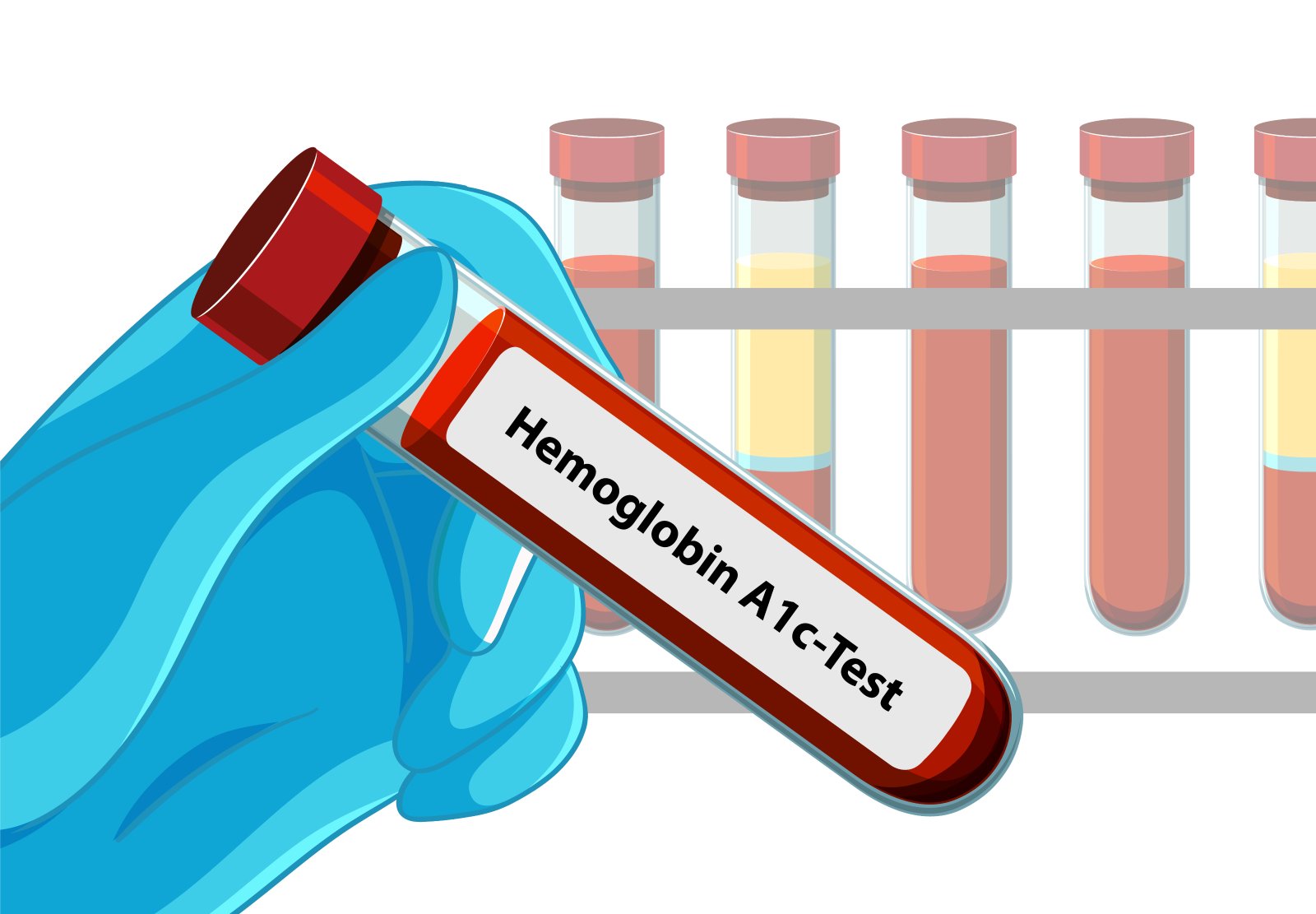
What Is HbA1c?
HbA1c is a simple blood test. It is also called the 3-month blood sugar test or glycated hemoglobin test. This test shows your average blood sugar over the past three months. When sugar sticks to your red blood cells, it forms HbA1c. Because red blood cells live for about three months, this test gives a long-term view of your blood sugar. Unlike daily finger-prick tests, HbA1c does not show quick changes. Instead, it helps you and your doctor see the bigger picture.
Why Is the HbA1c Test Important?
For people with diabetes, the HbA1c test is very important. It helps track how well your blood sugar is controlled. In addition, it can show if your treatment plan is working. High HbA1c levels mean your average blood sugar is too high. Over time, this can lead to health problems like heart disease, kidney damage, or vision loss. On the other hand, a healthy HbA1c level lowers your risk of these problems. Therefore, doctors use this test to guide diabetes monitoring and treatment decisions.
How Is the HbA1c Test Done?
The HbA1c test is quick and easy. Usually, a nurse or lab worker takes a small blood sample from your arm. You do not need to fast before this test. After your blood is taken, it goes to a lab for analysis. Results are often ready within a few days. Because the test is simple, you can get it done during a regular doctor visit.
Understanding Your HbA1c Results
HbA1c results are given as a percentage. This number shows how much sugar is attached to your red blood cells. Here is what the results usually mean:
For most people with diabetes, doctors suggest keeping HbA1c below 7%. However, your target may be different. Always talk to your doctor about your personal goal. Remember, lower numbers are usually better, but very low levels can also be risky.
How Often Should You Get Tested?
How often you need the HbA1c test depends on your health. The American Diabetes Association suggests:
Even if you feel fine, regular testing is important. This way, you and your doctor can spot problems early and adjust your care plan as needed.
Tips to Improve Your HbA1c Levels
Lowering your HbA1c can help prevent diabetes problems. Here are some simple tips:
Making small changes can lead to big improvements over time. However, always ask your doctor before starting a new diet or exercise plan.
Frequently Asked Questions About HbA1c
Conclusion and Next Steps
The HbA1c test, also known as the 3-month blood sugar test, is a key part of diabetes monitoring. It helps you and your doctor see your average blood sugar and adjust your care. Because it gives a bigger picture, it is important for long-term health.
Understand your HbA1c levels better. Consult Dr. Suresh Purohit for comprehensive diabetes care.