
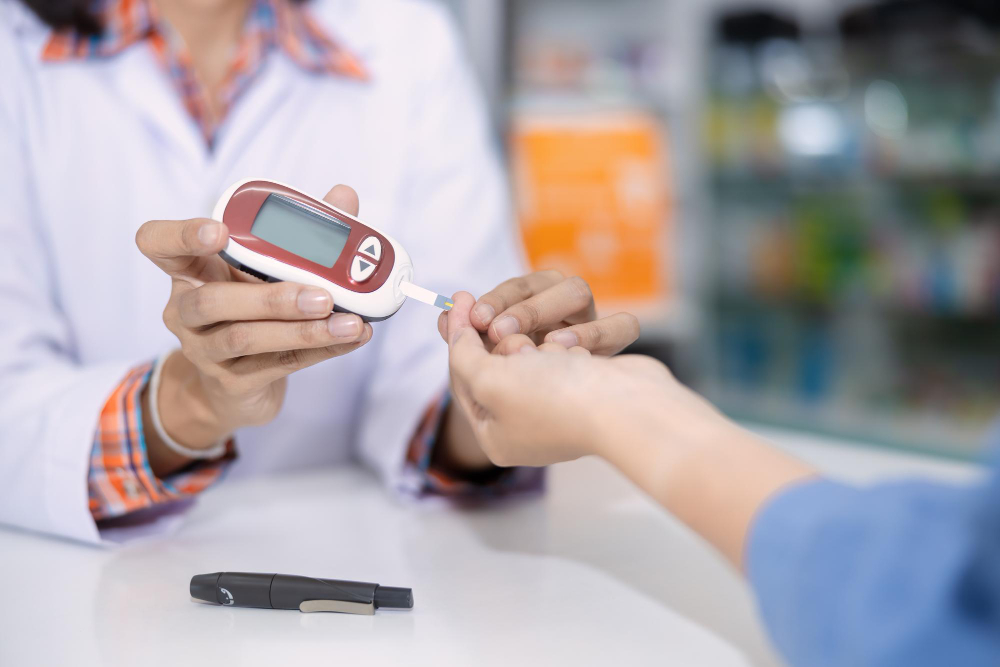
What Is Diabetes?
Diabetes is a health condition that affects how your body handles sugar in your blood. Normally, your body uses a hormone called insulin to move sugar from your blood into your cells. However, with diabetes, this process does not work well. As a result, your blood sugar can get too high. There are two main types: type 1 and type 2. Type 2 diabetes is more common, especially in adults. Yet, both types need careful management. Early detection is key to preventing serious health problems.
Why Regular Diabetes Screening Matters
Many people ask, “how often should you check for diabetes?” Regular diabetes screening is important because diabetes can develop slowly. Often, you may not notice symptoms right away. For this reason, early testing helps find problems before they get worse. In fact, the CDC notes that early treatment can prevent or delay complications. Additionally, regular checks help you and your doctor track changes over time. This way, you can take action sooner if needed.
Risk Factors That Affect Screening Frequency
Not everyone needs to check for diabetes at the same rate. Your risk factors play a big role in how often you should get tested. For example, some people have a higher chance of developing diabetes than others. Here are common risk factors for diabetes:
Because these factors raise your risk, you may need to get tested more often. On the other hand, people with fewer risk factors may not need frequent checks.
Recommended Screening Intervals for Different Risk Groups
Screening intervals depend on your risk level. The American Diabetes Association and CDC offer these general guidelines:
However, your doctor may suggest a different schedule based on your health. Therefore, always follow your provider’s advice on diabetes screening frequency.
Common Screening Tests for Diabetes
Several tests can check your blood sugar levels. Each test helps find diabetes or prediabetes. The most common tests include:
Each test has its own purpose. Your doctor will choose the best one for you. Sometimes, more than one test is needed to confirm a diagnosis.
How to Prepare for a Diabetes Screening
Before your diabetes screening, it helps to know what to expect. For some tests, you may need to fast. This means you should not eat or drink anything except water for at least eight hours. For other tests, no special steps are needed. Always ask your healthcare provider for instructions. In addition, bring a list of your medicines and any questions you have. This way, you can get the most out of your visit.
Tips for Maintaining Healthy Blood Sugar Levels
Even if you are not at high risk, healthy habits matter. For example, you can lower your risk of diabetes by:
These steps help keep your blood sugar in a safe range. Over time, they also support your overall health.
When to Consult a Healthcare Provider
If you have risk factors for diabetes, talk to your doctor about when to get tested for diabetes. Sometimes, you may notice symptoms like increased thirst, frequent urination, or unexplained weight loss. In these cases, see your healthcare provider right away. Additionally, if you have a family history of diabetes or other health concerns, regular check-ups are important. Your doctor can guide you on the right diabetes screening frequency for your needs.